
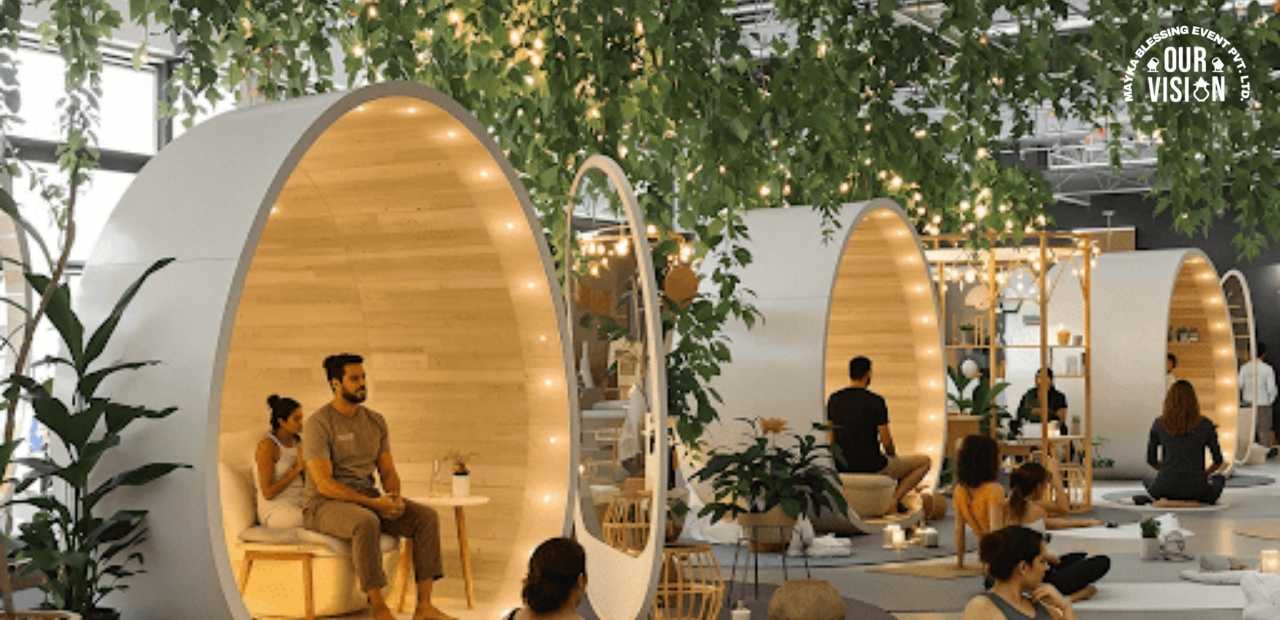
Silent Innovations: The Hidden Wellness Features Transforming Modern Events
Wellness-centric events represent a fundamental shift in how we design gatherings-moving beyond traditional conference halls and networking sessions to create spaces that actively support attendees’ mental and emotional health. These events integrate mindfulness in mainstream programming through dedicated mental well-being zones, meditation pods, and holistic experiences that acknowledge a simple truth: you can’t engage fully when you’re mentally exhausted.
The rise of wellness-focused event planning isn’t just a trend-it’s a response to genuine need. Event fatigue is real. Overstimulation is common. Attendees are increasingly vocal about requiring spaces to decompress, reset, and recharge during multi-day conferences and large-scale gatherings.
Event organizers are listening. They’re transforming venues by incorporating quiet rooms, sensory reset areas, and wellness pods alongside traditional programming. This evolution recognizes that mental well-being has become a mainstream priority, not an afterthought. When you prioritize attendee wellness, you create more engaged participants, better networking outcomes, and events people actually want to attend-not just endure.
The Evolution of Events to Include Mental Well-Being Zones
Traditional conferences and trade shows once prioritized networking and information exchange above all else. You’d find yourself navigating crowded exhibition halls, attending back-to-back sessions, and engaging in constant social interactions without a moment to decompress. Event planners now recognize this approach leads to burnout.
Mental well-being zones have transformed the event landscape. These dedicated spaces offer attendees a sanctuary from the sensory overload of bustling convention centers. You’ll discover meditation pods tucked into corners, quiet rooms with dimmed lighting, and comfortable seating areas designed specifically for stress relief.
Related Read: Cultural Fusion Events: Blending Local Traditions with Global Agendas
Addressing Event Fatigue
The shift addresses a critical problem: event fatigue. When you’re bombarded with stimuli for hours, your cognitive function declines, retention drops, and engagement suffers. Event organizers combat this through strategic design:
- Sensory reset areas featuring calming colors, reduced noise levels, and minimal visual clutter
- Designated zones where you can step away from crowds without leaving the venue
- Spaces equipped with noise-canceling features and comfortable furniture for genuine rest
Benefits of Wellness Spaces
These wellness spaces serve multiple purposes. You gain a location to recharge between sessions, process information you’ve absorbed, or simply escape overwhelming environments. The benefits extend beyond individual comfort-attendees report higher satisfaction rates, better information retention, and increased willingness to participate throughout multi-day events. Event planners who implement these zones see improved attendance patterns and more positive feedback scores.
Key Components and Innovative Concepts Supporting Wellness-Centric Events
Wellness pods are dedicated sanctuaries within mental well-being zones, offering acoustic privacy and visual separation for rest and reflection. Designed with comfortable seating, soft lighting, and sound-dampening materials, they create micro-environments to decompress without leaving the venue.
Hydration stations go beyond basic water, featuring infused options like cucumber, lemon, or mint to promote fluid intake. Positioned near wellness zones with educational signage, some offer electrolyte drinks and herbal teas supporting physical stamina and mental clarity.
Movement areas provide spaces for stretching, yoga, or light exercise with mats, resistance bands, or guided sessions to counteract the strain of standing and navigating large venues.
The innovation extends into specialized pod concepts that address specific wellness needs:
- Sleeping pods offer power nap opportunities, featuring reclining chairs or horizontal rest surfaces with ambient soundscapes and adjustable lighting
- VR pods deliver immersive mindfulness experiences through guided virtual meditation journeys, forest bathing simulations, or breathing exercises enhanced by 360-degree visuals
- Sensory pods function as quiet zones specifically designed for overstimulated or neurodiverse guests, incorporating weighted blankets, noise-canceling features, and adjustable sensory inputs
- Meditation pods provide structured environments for contemplative practices, often equipped with guided audio programs and biofeedback technology
These healthy experiences transform events from purely transactional spaces into holistic environments that acknowledge your complete well-being needs.
Related Read: Silent Innovations: Hidden Wellness Features in Modern Events
Strategic Placement, Collaboration, and Technology Integration at Wellness-Centric Events
The success of wellness-centric events depends on careful execution in three key areas: location strategy, partnerships, and digital innovation.
Maximizing Accessibility Through Strategic Positioning
Placing mental well-being zones along high-traffic paths ensures attendees naturally encounter these spaces during their event journey. You want wellness areas visible from main corridors or registration zones, making them discoverable without requiring attendees to search. This positioning removes barriers to access-when someone needs a moment of respite, they shouldn’t have to navigate through crowds to find it.
Wellness Brand Partnerships Elevate Event Experiences
Collaborations with established wellness brands bring credibility and expertise to your event programming. These partnerships deliver professional mindfulness sessions, mental health workshops, and guided meditation experiences that attendees trust. Wellness brand partnerships also provide access to specialized facilitators who understand how to create meaningful moments of connection and healing within busy event environments.
Equipping Staff for Mental Health Support
Staff mental health training transforms your team into responsive caregivers who recognize signs of distress and know appropriate intervention protocols. Trained staff can direct attendees to wellness resources, provide empathetic support during challenging moments, and create a culture where mental well-being feels prioritized.
Technology as an Accessibility Bridge
Digital tools expand mental health care accessibility during events through mindfulness apps, virtual counseling platforms, and emotional monitoring systems that help attendees track their well-being throughout the experience. This aligns with the growing trend of digital health, which has been shown to significantly improve access to mental health resources. Moreover, utilizing digital tools such as mindfulness apps or virtual counseling platforms can further enhance the accessibility of mental health care during events.
Creating Inclusive, Multifunctional Spaces for All Attendees’ Well-Being Needs at Events
Privacy pods enhance event wellness by meeting diverse attendee needs through adaptable design. Therapy spaces provide confidential support via in-person counseling or teletherapy rooms with secure video conferencing, ideal for multi-day conferences offering scheduled mental health consultations.
Nursing/lactation rooms support new mothers with comfortable seating, privacy screens, and breast milk refrigeration, demonstrating commitment to parental inclusion.
Self-care recovery areas serve as decompression zones featuring adjustable lighting, noise-canceling, and comfy furniture for rest or power naps, boosting mental clarity and engagement.
Related Read: Zero-Waste Corporate Events: Redefining Prestige Through Sustainability
Conclusion
The future of wellness-centric events depends on your willingness to push boundaries and reimagine what attendee care looks like. Mental well-being zones, meditation pods, and healthy experiences aren’t optional amenities anymore-they’re essential infrastructure for successful events.
You have the power to transform how people experience gatherings. Start small if you need to: add a quiet room, partner with a local wellness brand, or designate a sensory-friendly space. Each step you take toward prioritizing mental health creates ripple effects that extend far beyond your event walls.
Wellness-Centric Events: Mindfulness in the Mainstream isn’t just a trend-it’s a movement you can lead.
FAQs (Frequently Asked Questions)
What are wellness-centric events and why are they becoming popular?
Wellness-centric events integrate mental well-being zones, meditation pods, and healthy experiences into traditional formats. They grow popular as mindfulness and mental health become key priorities, enhancing attendee experience by addressing stress relief and wellness.
How do mental well-being zones help combat event fatigue?
These zones-meditation pods, quiet rooms, sensory reset areas-offer breaks from event overstimulation, helping attendees relax, reset senses, and manage stress during busy gatherings.
What innovative components support wellness-centric events?
Components include wellness pods for rest, hydration stations, movement areas, sleeping pods, VR mindfulness experiences, and sensory pods for overstimulated or neurodiverse guests, boosting physical and mental well-being.
How can strategic placement and collaboration enhance wellness features at events?
Placing wellness zones near high-traffic areas ensures accessibility. Collaborations with wellness brands offer mindfulness sessions and workshops. Training staff in mental health response and integrating technology further support attendees.
What multifunctional spaces meet diverse attendee well-being needs?
Multifunctional privacy pods serve as counseling or teletherapy rooms; nursing/lactation rooms support new mothers; self-care recovery areas provide rest or decompression-accommodating diverse physical and mental needs.
What is the future outlook for wellness-centric events?
The future involves more innovation with advanced wellness tech, diverse supportive spaces, and collaborative programs prioritizing holistic attendee well-being.