
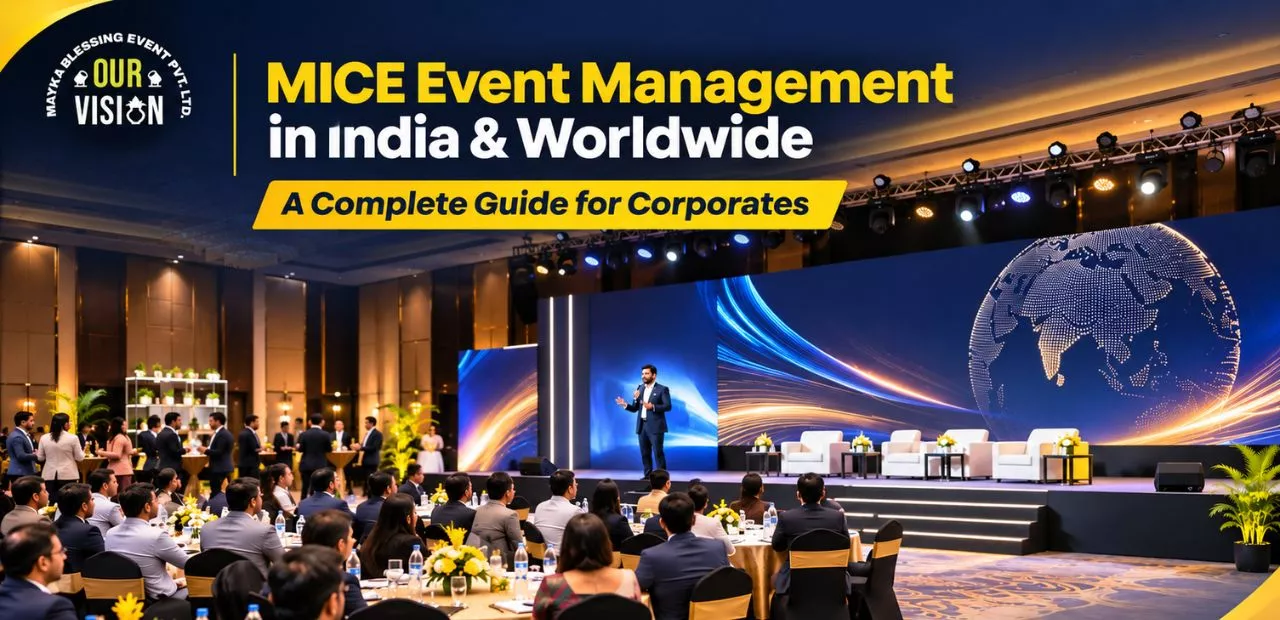
MICE Event Management in India & Worldwide
Corporate Offsites | Business Summits | Dealer & Partner Meets | Conferences | Incentive Programmes | Destination Events
Introduction
Corporate events have evolved beyond formal gatherings and annual calendar activities. Today, organisations use carefully planned business experiences to bring people together, strengthen relationships, share knowledge, recognise performance and support strategic objectives. From leadership offsites and dealer meets in Indian business hubs to international conferences and destination-based incentive programmes, every event needs a clear purpose and a well-coordinated plan.
MICE event management brings the planning, people, venues, travel, production and on-ground execution together. The success of a programme depends not only on the destination or scale, but also on how effectively each detail supports the experience that the organisation wants to create.
What Does MICE Mean?
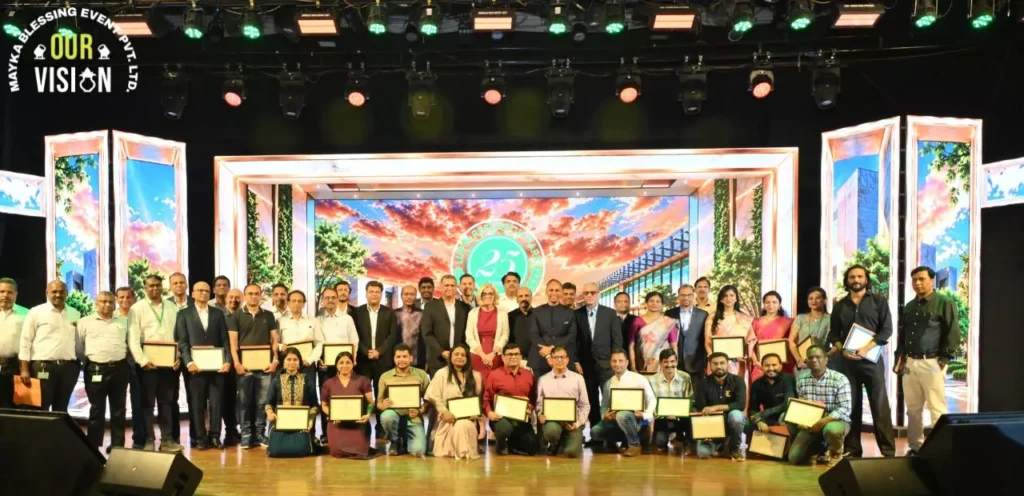
MICE stands for Meetings, Incentives, Conferences and Exhibitions. These four formats cover a wide range of corporate gatherings, from focused leadership discussions and reward programmes to large business conferences and industry showcases.
Why MICE Events Matter to Corporate Businesses
MICE events give businesses a structured way to connect employees, leadership teams, customers, dealers, distributors, partners and industry stakeholders. A well-planned meeting can help teams align on priorities, while a business summit can bring decision-makers together to exchange ideas, discuss industry developments and build relationships. The format may change, but the objective is to create a meaningful setting for communication and collaboration.
For organisations, these events can also support employee engagement and recognition. Corporate offsites provide space for teams to step away from routine work, reflect on performance and plan ahead. Incentive programmes recognise achievement and help make business milestones
memorable. Dealer and partner meets create opportunities to share product updates, communicate business direction and strengthen channel relationships. Conferences and exhibitions allow
companies to present their capabilities, build visibility and engage with wider markets.
The value of a MICE event comes from connecting its design and execution to a business objective. Venue selection, agenda development, content, hospitality, production and attendee engagement should work together rather than operate as separate activities.
Types of Corporate MICE Events
Corporate Offsites and Leadership Retreats
Corporate offsites bring teams and leaders together away from their usual workplace. They may include annual planning sessions, leadership discussions, strategy workshops, team-building activities, employee engagement programmes or a combination of business and leisure experiences. The setting can range from a business hotel in a major city to a resort in Goa, Jaipur, Udaipur or another destination that suits the group and the event objective. A successful offsite balances productive sessions with opportunities for informal interaction and team connection.
Business Summits and Corporate Conferences
Business summits and conferences are designed to bring together senior leadership, employees, customers, partners, industry experts or other stakeholders. They can take the form of annual business conferences, leadership summits, industry forums, knowledge-sharing sessions or multi-day conventions. These programmes often require agenda planning, speaker and presenter coordination, stage design, LED content, audio-visual production, delegate movement, hospitality and precise show flow. The production environment should support the message while ensuring that participants can see, hear and engage with the programme comfortably.
Dealer, Distributor and Partner Meets
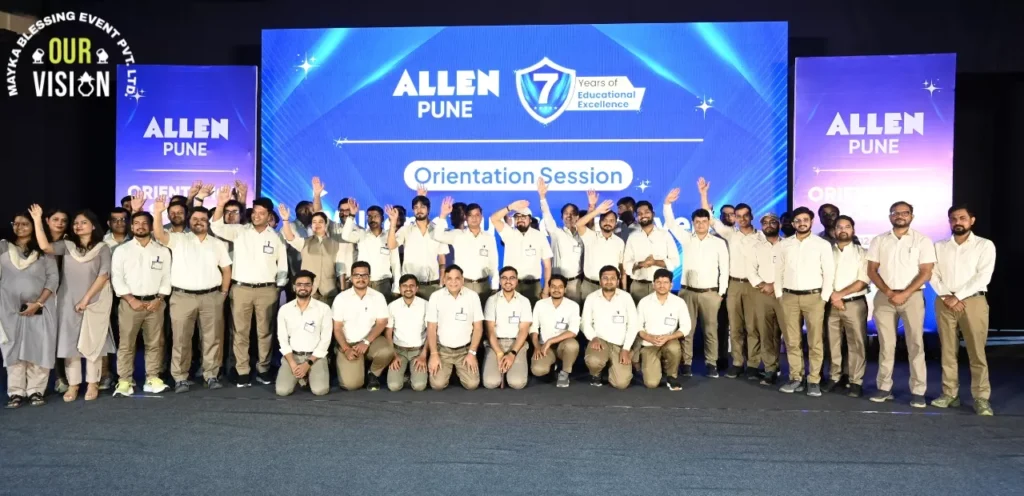
Dealer and partner meets play an important role in building relationships across a business network. They may be organised to communicate annual targets, introduce products, share market updates, recognise channel performance, launch initiatives or strengthen collaboration.
The event may include
business presentations, panel discussions, awards, networking sessions, product demonstrations andentertainment. Since the audience often includes stakeholders travelling from different cities, registration, accommodation, transfers and clear event communication are important parts of the planning process.
Incentive Programmes and Reward Travel
Incentive programmes recognise employees, dealers, sales teams or business partners for achieving defined goals. They may include destination travel, curated experiences, award ceremonies, team activities and special hospitality arrangements. The destination and programme should reflect the audience, travel requirements, available time and budget. The strongest incentive experiences feel considered and relevant to the participants rather than being treated as a standard tour itinerary.
Destination Corporate Events and Offsite Experiences
Destination corporate events take a business gathering beyond the usual office or city venue. Organisations may choose a resort, heritage property, beachside venue, convention hotel or an
international destination for a leadership retreat, partner gathering, annual conference or relationship- building programme. Destination events require additional attention to travel windows, guest arrivals, rooming plans, local transport, weather, venue access, supplier coordination and contingency arrangements. The destination should add value to the event rather than create unnecessary complexity for attendees.
Exhibitions, Trade Shows and Product Showcases
Exhibitions and trade shows help businesses present products, services, technology and solutions to customers, distributors, buyers and industry audiences. Corporate participation may involve exhibition stall design, fabrication, branding, product display, visitor engagement, technical requirements, lead- capture processes and on-site coordination. A successful exhibition presence is shaped by both the physical environment and the quality of interaction that takes place within it.
Domestic and International MICE Planning
Destination selection influences the experience, logistics and overall cost of a MICE programme. The right location depends on the event objective, number of delegates, travel access, venue capacity, accommodation availability, season, technical requirements and the type of experience expected by participants. A city may be suitable for a large conference because of its convention infrastructure, while a resort destination may be better for a leadership retreat or incentive programme.
Planning MICE Events Across India
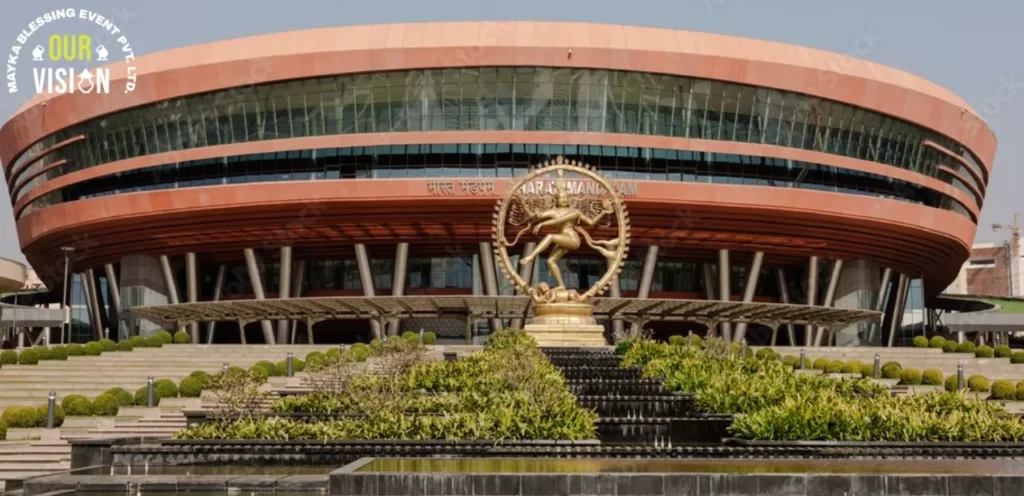
India offers a wide range of business cities, convention centres, exhibition complexes, hotels and resort destinations. Mumbai is an established choice for corporate conferences, partner meets and large business gatherings, with venues such as Jio World Convention Centre and Bombay Exhibition Centre. In New Delhi, Bharat Mandapam and Yashobhoomi offer large-scale convention and exhibition
infrastructure, while India Expo Centre & Mart in Greater Noida is another option for trade shows and industry events.
Bengaluru’s Bangalore International Exhibition Centre is relevant for exhibitions and industry conferences, while HITEX Exhibition Centre in Hyderabad supports trade and business events. Jaipur Exhibition & Convention Centre and Mahatma Mandir Convention & Exhibition Centre in Gandhinagar add further options for large meetings and exhibitions. Pune is a practical choice for many industrial, automotive, manufacturing and corporate programmes, with business hotels and conference facilities that can support leadership meets, annual conferences and partner gatherings.
For destination-based programmes, Goa, Jaipur and Udaipur are often considered for corporate retreats, incentive experiences and leadership gatherings. Goa also offers a mix of resort properties and convention facilities, including Urja Bharat Convention Centre in South Goa. Venue names are examples to help with destination planning; the final shortlist should be based on the event brief, current facilities, capacity, access, availability and commercial terms.
Planning International MICE Events
International MICE planning requires the same clarity of objectives and production standards as a domestic event, with additional coordination across borders. Travel documentation, visa requirements, flight schedules, accommodation, local transport, local suppliers, destination regulations, cultural expectations, language support, equipment movement and time-zone differences may all affect the plan. The event team should identify responsibilities early and confirm the local support model, supplier credentials, service inclusions and escalation process before the programme is finalised.
Dubai is considered for conferences, exhibitions and regional business gatherings, with venues such as Dubai World Trade Centre and Dubai Exhibition Centre. Singapore offers options including Singapore EXPO and Sands Expo & Convention Centre at Marina Bay Sands. ExCeL London, Kuala Lumpur Convention Centre and Bangkok International Trade & Exhibition Centre (BITEC) are examples of established international venues. For incentive programmes and leadership retreats, destinations such as Bali, Bangkok, Singapore, Dubai and other locations may be considered depending on the audience, travel access, season and business objective.
An international event should not be planned on the assumption that every destination works in the same way. Local regulations, labour practices, production permissions, customs processes, supplier standards and venue operating procedures can differ. A clear scope, destination-specific research and dependable local coordination help maintain consistency while adapting the event to the location.
What a Professional MICE Event Management Company Handles
A professional MICE event management company brings the creative, operational and technical requirements of an event into one coordinated plan. The process usually begins with understanding the business objective, audience, event format, scale, destination, schedule and budget. This creates a foundation for decisions about the venue, programme, production, guest experience and measures of success.
Venue and vendor selection involve researching suitable locations and service providers, comparing facilities and commercial terms, checking technical suitability and coordinating approvals. The venue must support the format and movement of the event, while vendors should be selected according to capability, reliability, service standards and the requirements of the brief. For multi-city or international programmes, the coordination model and responsibilities of local suppliers should be clear.
Delegate management and travel coordination shape the attendee journey from invitation to departure. Depending on the scope, this can include registration, guest communication, accommodation planning, rooming lists, airport or railway transfers, local transport, arrival assistance and on-site help
desks. Consistent information and well-managed schedules help reduce confusion for participants, especially when guests are travelling from multiple locations.
Stage design, fabrication and technical production translate the event concept into a physical and technical environment. This may include stage layouts, scenic elements, branding, LED screens, audio, lighting, rigging, power distribution, show-control systems and content playback. Technical planning should account for venue conditions, sightlines, acoustics, rehearsals, backup systems and the requirements of speakers, performers and presenters.
Employee engagement and attendee experiences should be designed around the audience and the purpose of the event. Networking formats, team activities, interactive sessions, recognition moments, entertainment and destination experiences can all contribute to participation when they are relevant to the programme. Engagement should feel integrated with the event rather than added simply to fill time.
Event-day coordination brings the plan together on site. The event management team monitors the schedule, coordinates vendors, manages stage transitions, supports speakers and guests, oversees crowd and delegate movement, and responds to changing requirements. Risk management includes identifying possible disruptions in advance and preparing practical contingencies for technical issues, supplier delays, travel changes, weather, safety and schedule overruns. Post-event closure may include feedback collection, content handover, reporting, vendor closure and a review of key learnings.
How Our Vision Events Approaches MICE Event Planning and Execution
At Our Vision Events (OVE), planning begins with understanding why the organisation is bringing people together. The business objective, audience, destination, scale, timeline and budget guide the event concept and the execution plan. This helps ensure that the experience is not simply visually appealing, but also relevant to the people attending and the outcomes the organisation wants to achieve.
OVE follows a concept-led approach that connects creative development with practical production planning. Once the brief is understood, the team works through the event format, experience flow, venue requirements, production scope, guest movement, technical needs and coordination responsibilities. Stage design, fabrication, LED, sound, lighting, show flow, artist or speaker coordination and on-ground management are planned as connected parts of the overall experience.
The emphasis is on detail, communication and disciplined execution. Timelines, approvals, vendor coordination, rehearsals and event-day responsibilities need to be clearly managed so that the different elements come together smoothly. For destination or international requirements, the scope and local coordination arrangements are assessed according to the brief and confirmed before commitments are made.
With more than 275 events delivered, Our Vision Events brings experience across corporate gatherings, conferences, employee engagement programmes, large-format events, celebrations and partner meets. The focus remains on creating a distinct experience for each brief rather than repeating a standard format. From the first discussion to the final on-ground detail, OVE aims to bring the client’s vision into a carefully planned and well-executed event.
Plan Your Next Corporate MICE Experience with Our Vision Events
Whether your organisation is planning a leadership offsite, business summit, dealer or partner meet, annual conference, incentive programme, exhibition or destination corporate event, the right planningpartner can help bring every element together. A clear objective, a suitable destination and coordinated execution create the foundation for an experience that people remember and that supports the business purpose behind the gathering.
Our Vision Events works with organisations to develop and execute considered event experiences through concept development, event production and on-ground management. Share your event objective, preferred destination, audience size and proposed timeline to begin a conversation.